Launch Dynamics Revealed: Push-Off Mechanics in World Cup Speed Skating Sprints
Written by Yves Simon · Oct 28, 2026
Launch Dynamics Revealed: Push-Off Mechanics in World Cup Speed Skating Sprints
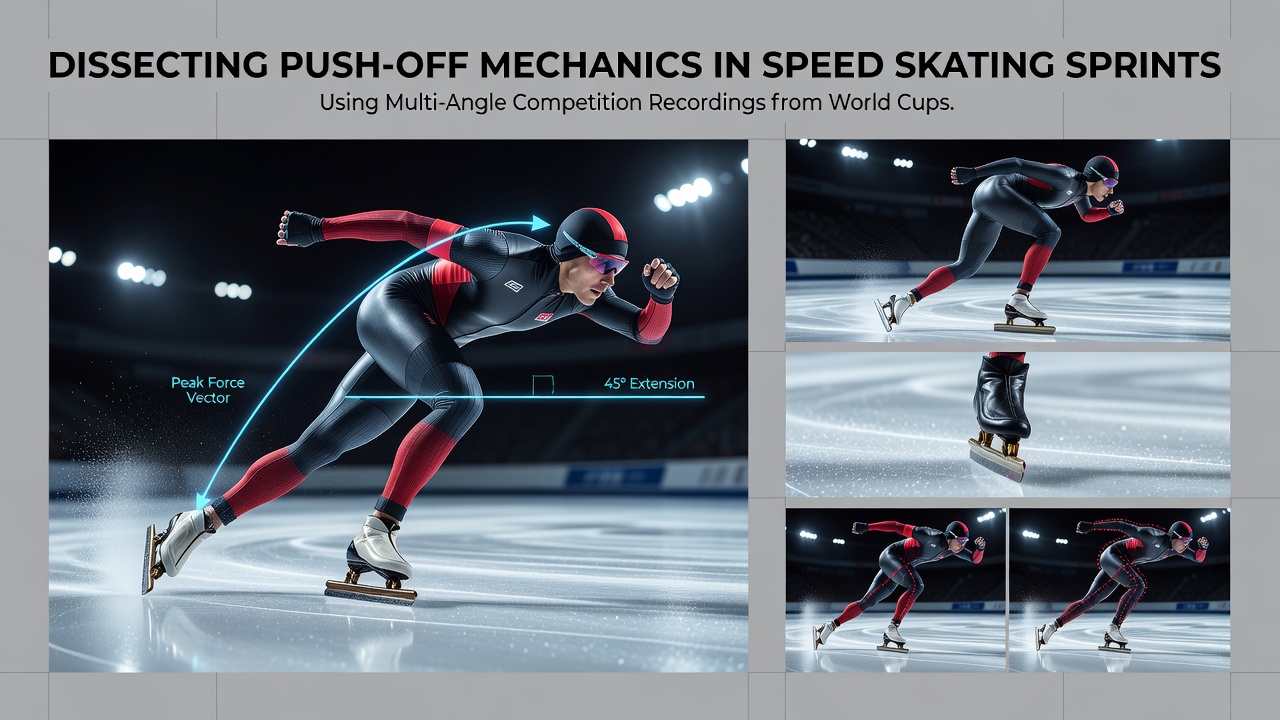
Multi-angle recordings from recent World Cup events have allowed researchers to break down the push-off phase in speed skating sprints with greater precision than ever before, and observers note that these analyses highlight subtle variations in force application and body positioning across elite competitors. Footage captured at different vantage points during the 2025-2026 season shows how athletes generate initial propulsion over the first few strides, while data from synchronized cameras reveals timing differences that separate top finishers from the rest of the field.
Core Elements of the Push-Off Sequence
Studies of competition footage indicate that the push-off begins with a deep knee bend followed by rapid extension of the hip, knee, and ankle joints in sequence, and this coordinated movement transfers power to the ice through the skate blade. Researchers examining recordings from multiple World Cup venues have documented how skaters maintain a low center of gravity during the initial acceleration, whereas slight upright shifts appear linked to reduced stride efficiency in later stages of the sprint. Evidence from frame overlays demonstrates that optimal push-off angles typically range between 45 and 55 degrees relative to the ice surface, according to biomechanical reviews conducted by European research groups.
Turns out the duration of each push-off contact varies by athlete, with shorter ground times correlating to higher stride frequencies in several analyzed races. Those who've reviewed the multi-angle archives point out that lateral weight shifts during the push-off help maintain balance while directing force forward, and this pattern emerges consistently across events held in Canada and the Netherlands. Data collected during October 2026 competitions further supports these observations, showing how environmental factors like ice temperature influence the grip available for explosive starts.
Comparative Insights from Multi-Angle Footage
Analyses using side, front, and overhead perspectives have uncovered differences in arm swing coordination that assist with overall momentum during the push-off, and skaters who synchronize upper-body motion with leg drive often achieve more consistent acceleration. One study from a Dutch university research team revealed that elite performers minimize upper-body rotation to preserve forward momentum, whereas less experienced athletes display greater torso movement that dissipates energy. Footage comparisons across World Cup sprints illustrate these patterns clearly, allowing coaches to identify specific adjustments for individual athletes.
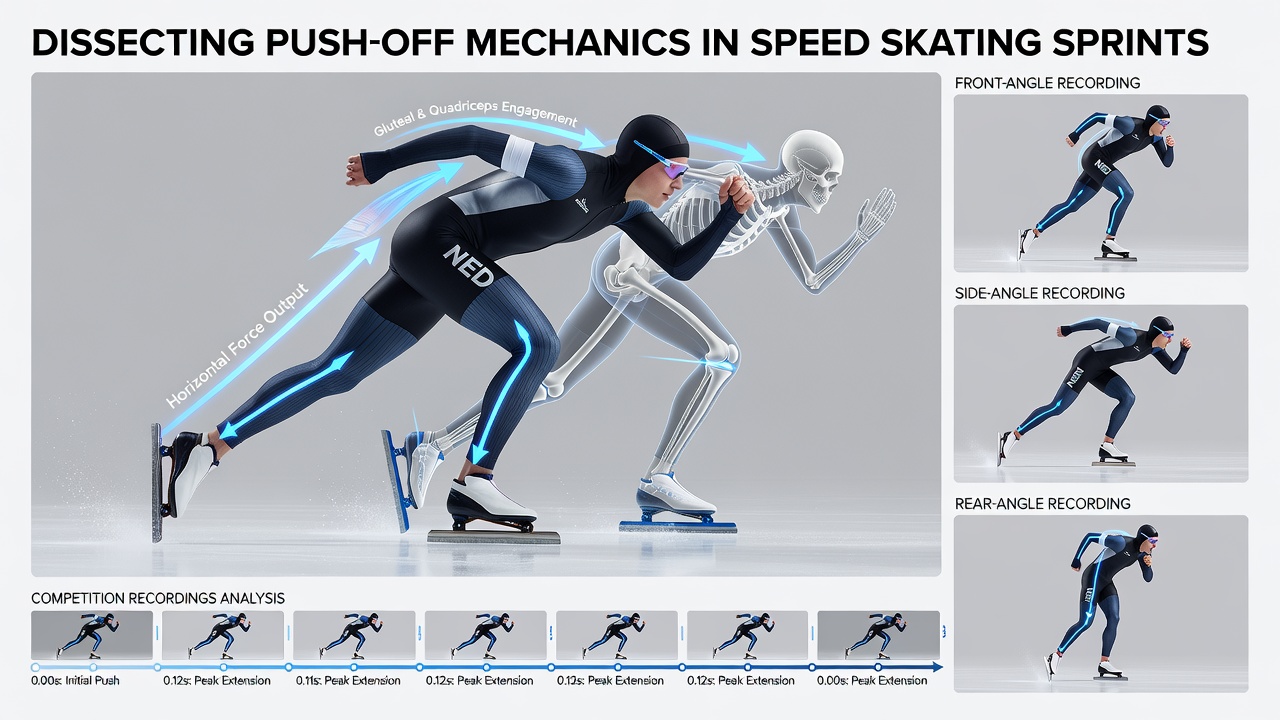
What's significant is how blade placement at the moment of push-off affects subsequent stride length, with recordings indicating that precise inside-edge engagement produces stronger propulsion. International Skating Union reports have compiled statistics showing average push-off forces exceeding 1.5 times body weight among medalists in recent seasons, and these figures align with observations from Australian biomechanics laboratories that examined similar sprint disciplines. Athletes who adjust their technique based on such video evidence often refine their starts without altering overall training volume.
Application in Training and Competition Preparation
Coaches reviewing the same multi-angle recordings have incorporated targeted drills that replicate competition push-off conditions, and these sessions emphasize timing the joint extensions to match patterns observed in top performers. Data from championship events indicates that small modifications in push-off depth can lead to measurable improvements in the first 100 meters, while maintaining consistent blade angles throughout the sequence reduces energy loss. Researchers continue to aggregate footage from upcoming World Cup stops to expand these datasets, providing fresh material for ongoing analysis.
Observers note that integration of heart-rate overlays with the video sometimes highlights recovery demands immediately after the initial push-off burst, and this combined information helps teams plan pacing strategies for longer sprint distances. Evidence from various international sources confirms that push-off mechanics remain a key differentiator in close races, particularly when skaters reach the first curve transition.
Conclusion
Multi-angle competition recordings from World Cups continue to supply detailed information on push-off mechanics, enabling precise identification of technique elements that influence sprint outcomes. Figures from governing bodies and research institutions demonstrate consistent patterns across events, while ongoing collection of footage supports further refinement of training approaches. These resources remain available for athletes and analysts seeking to examine the specific sequences that define elite performance.