Elite Snatch Mechanics: Bar Path Data Illuminates Explosive Pull Sequencing in Olympic Weightlifting
Written by Yves Simon · Oct 14, 2026
Elite Snatch Mechanics: Bar Path Data Illuminates Explosive Pull Sequencing in Olympic Weightlifting
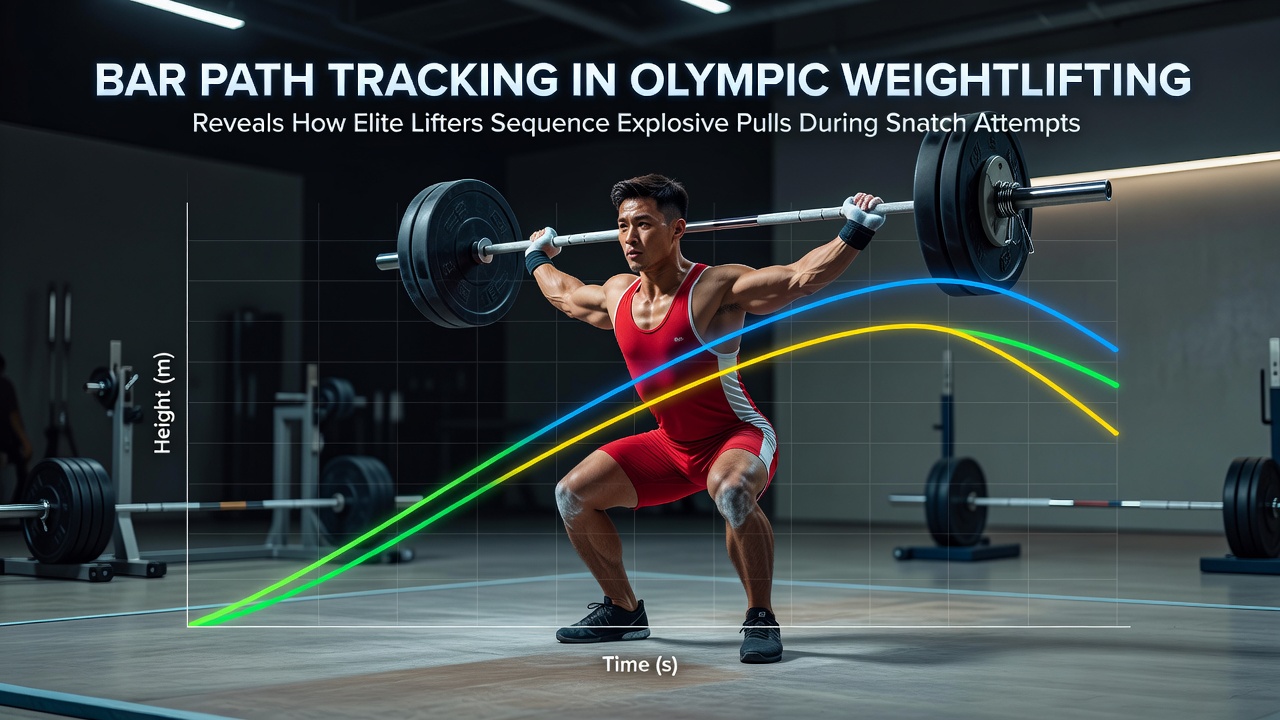
Bar path tracking systems capture the precise trajectory of the barbell throughout the snatch, and researchers have applied these tools across multiple international competitions to document how top athletes coordinate their explosive pulls. Data from motion capture setups at events sanctioned by the International Weightlifting Federation reveal consistent patterns in the first pull, transition, and second pull phases that separate successful lifts from near misses.
Elite performers maintain a bar path that stays close to the body during the initial drive from the floor, and tracking overlays show minimal horizontal deviation until the bar reaches knee height. Studies conducted at the Australian Institute of Sport confirm that this proximity reduces energy loss and positions the lifter for the rapid extension that follows. When the bar passes the knees, the second pull begins with a sharp vertical acceleration, and path data indicate peak velocities often exceed 2.5 meters per second in medalists at recent World Championships.
Phase Breakdown Through Trajectory Analysis
Observers note three distinct segments in the snatch pull sequence, each marked by changes in bar acceleration recorded via high-speed cameras and sensor arrays. The first pull starts with the bar leaving the platform and ends near the knee, where the path typically follows a slight backward arc before straightening. Athletes who deviate more than 5 centimeters horizontally during this segment show lower completion rates, according to aggregated results from European Weightlifting Federation archives.
During the transition, the hips and shoulders shift forward while the bar continues its upward momentum, and tracking software highlights a brief plateau in vertical speed that lasts under 0.2 seconds in elite attempts. This moment sets up the explosive second pull, where triple extension of the ankles, knees, and hips generates the force needed to propel the bar overhead. Data collected in 2025 competitions and reviewed into October 2026 demonstrate that lifters who time this extension within a 40-millisecond window achieve higher catch positions and fewer missed attempts.
Comparative Insights Across Weight Classes
Tracking records from multiple weight categories indicate that lighter athletes produce steeper initial bar paths, while heavier competitors emphasize a more vertical line from the floor. One dataset compiled by researchers at the University of Calgary compared 150 successful snatches and found that gold medalists across divisions kept the bar within 3 centimeters of the vertical reference line during 78 percent of the pull duration. These measurements come from synchronized video and force plate systems that log every frame at 240 frames per second.
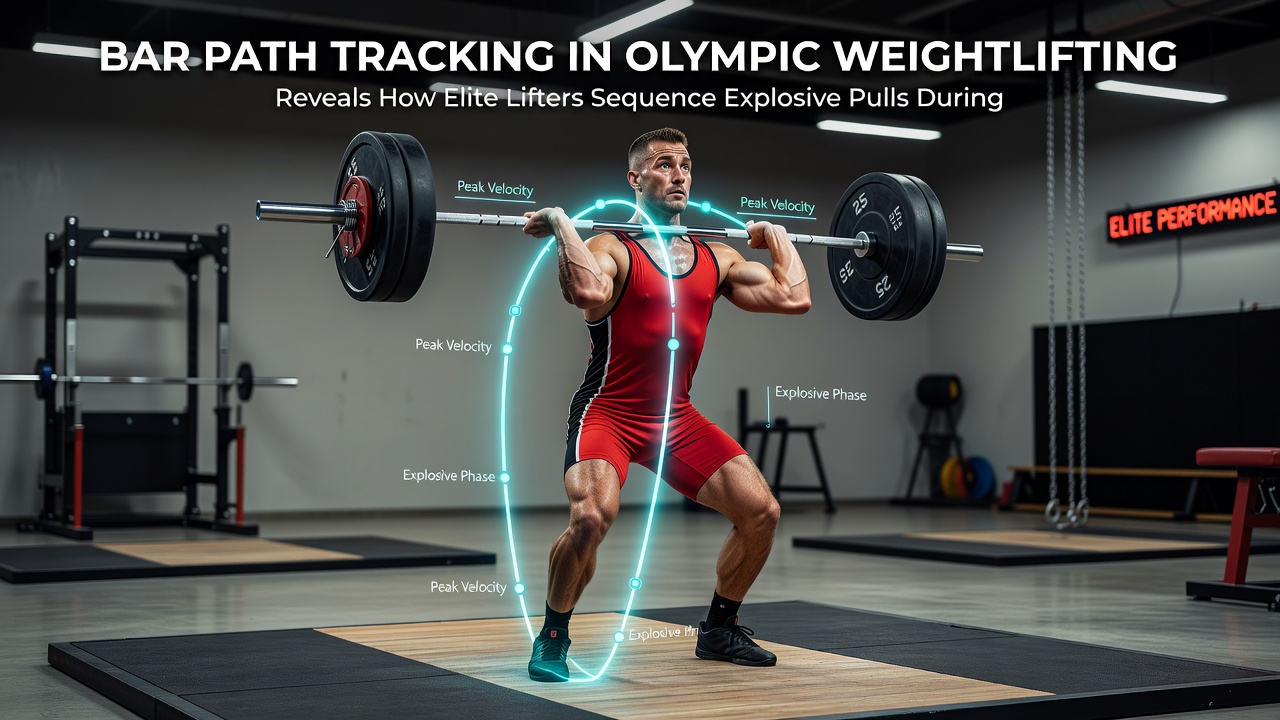
Coaches now integrate these path visualizations into training feedback loops, and athletes review session footage to adjust hip positioning or grip timing. The result appears in refined pull mechanics that reduce bar swing and improve overhead stability. Figures released by the Canadian Olympic Committee training centers show measurable decreases in horizontal bar displacement after six weeks of path-focused drills.
Technology Driving Current Findings
Modern bar path systems combine reflective markers, infrared cameras, and inertial sensors attached directly to the barbell ends. Software algorithms reconstruct three-dimensional trajectories and overlay velocity curves that highlight the explosive second pull window. As of October 2026, federations in Asia and Oceania have begun sharing anonymized datasets that allow cross-regional comparisons of pull sequencing habits among rising athletes.
These tools also flag subtle differences between training lifts and competition attempts, where psychological pressure sometimes alters the timing of the final extension. Path data from the 2025 World Championships, for instance, revealed that several finalists shortened their second pull phase by 15 percent under meet conditions, yet still completed the lift because their initial bar proximity remained optimal.
Links to full technical reports appear on sites maintained by the International Weightlifting Federation and the Australian Institute of Sport, where coaches and analysts can access raw trajectory files for further study.
Conclusion
Bar path tracking continues to supply objective measurements that map the explosive pull sequence in the snatch, and ongoing data collection through 2026 refines understanding of how elite lifters coordinate their movements from floor to catch. The patterns documented across weight classes and continents point to consistent principles of vertical alignment and timed acceleration that define successful attempts at the highest levels.