Elevated Drone Views Reveal Peloton Evolution Patterns in Cycling Grand Tours
Written by Iris Long · Nov 11, 2026
Elevated Drone Views Reveal Peloton Evolution Patterns in Cycling Grand Tours
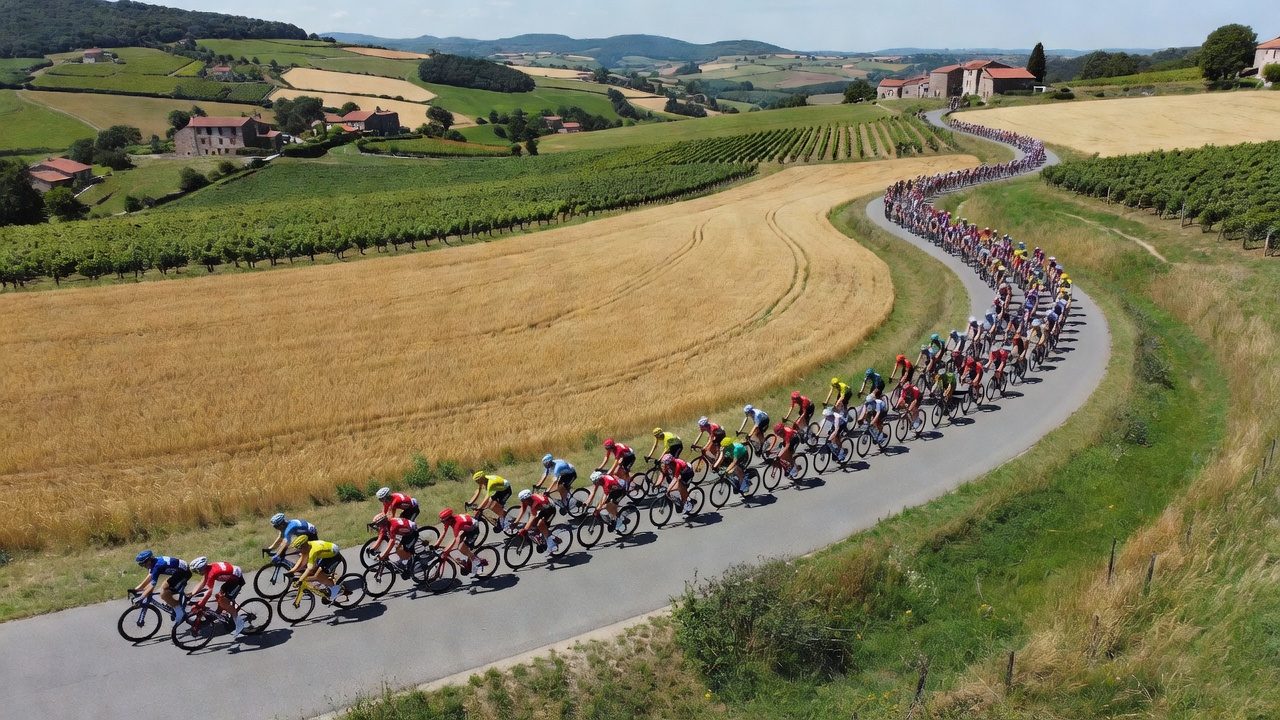
Drone footage has transformed how analysts examine peloton behavior in events such as the Giro d'Italia, Tour de France, and Vuelta a España, where overhead perspectives highlight subtle transitions in group positioning that ground-level cameras often miss. These aerial recordings document how riders adjust spacing, create echelons in crosswinds, and reorganize during breakaways or sprint finishes, all while maintaining average speeds that exceed 40 kilometers per hour on flat stages. Researchers studying race data note that such visual records allow precise mapping of formation density changes over distances that span 150 to 200 kilometers daily.
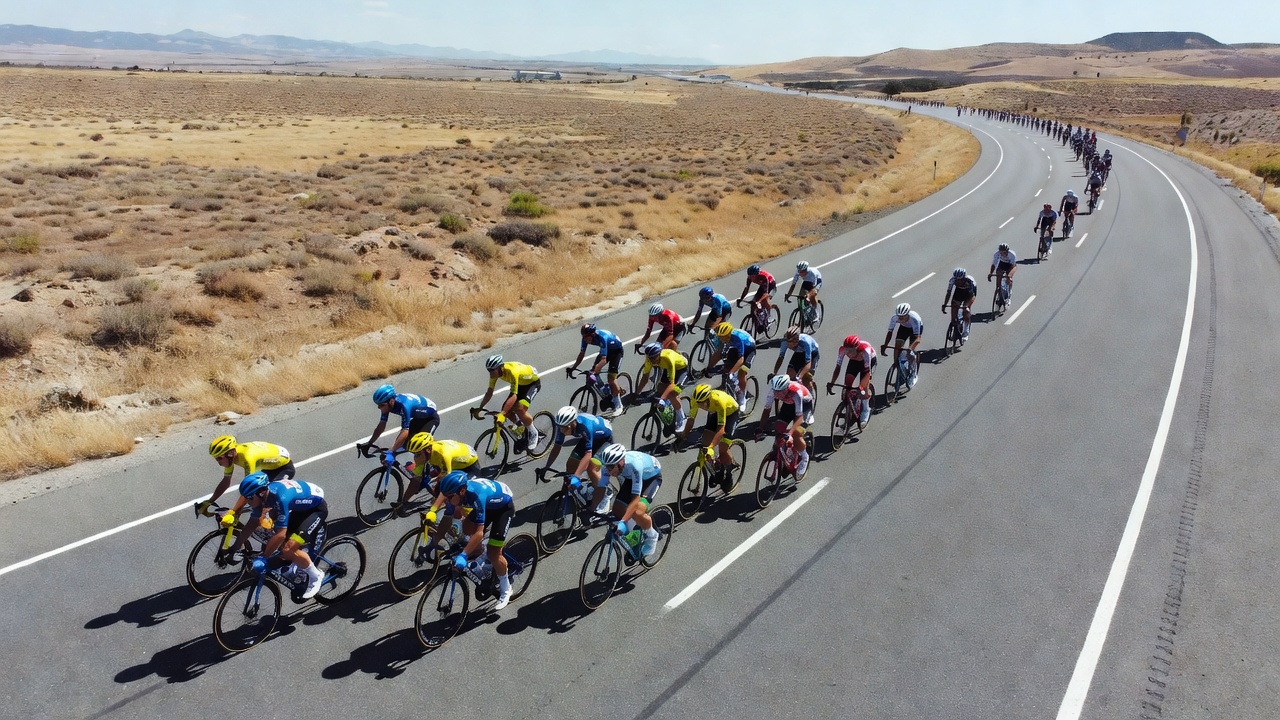
Professional cycling teams rely on these observations to refine tactics, since peloton shape directly influences energy expenditure and wind resistance. In windy conditions on routes like those in the 2025 Tour de France, footage shows the group stretching into diagonal lines that reduce frontal exposure for protected riders. Data collected by event organizers indicates that these shifts occur within seconds when wind direction changes, prompting immediate responses from domestiques who move to shield team leaders. Observers at the Union Cycliste Internationale have documented similar patterns across multiple editions, linking formation stability to overall race outcomes.
Formation Dynamics Captured from Above
Aerial sequences demonstrate how the peloton compresses before climbs and expands on descents, creating measurable gaps that affect time gaps for chasing groups. During the 2024 Giro d'Italia mountain stages, overhead views revealed riders repositioning within the bunch to conserve power ahead of key ascents, with density increasing by up to 30 percent in the final kilometers before summit finishes. Such details emerge clearly because drones maintain consistent altitude and track the entire field without obstruction from vehicles or spectators.
Breakaway attempts further illustrate these changes, as footage tracks how a small group detaches from the main peloton and how the larger formation reacts by closing gaps or allowing separations to grow. Analysts examining Vuelta a España archives from recent years have identified recurring patterns where echelon formations dissolve and reform within minutes when terrain flattens, a process that influences which riders remain in contention for general classification positions.
Technological Integration and Tactical Insights
Teams integrate drone-derived metrics with GPS and power meter readings to simulate race scenarios during training sessions. This combination reveals how individual rider placement within the peloton correlates with reduced aerodynamic drag, particularly when the group rotates through rotating pacelines. Studies from institutions such as the Australian Institute of Sport have quantified these effects, showing energy savings that accumulate over multi-hour stages in grand tours.
Event broadcasters and race officials also use the footage for real-time safety monitoring, noting when formations become too compact and increase collision risks during high-speed sections. In November 2026 preparations for upcoming seasons, organizers plan expanded drone coverage on select stages to gather additional datasets on wind-influenced shifts, building on existing archives that span the past decade of competition.
Comparative analysis between different grand tours highlights regional variations, with the flatter stages of the Tour de France producing wider pelotons compared to the more undulating routes of the Vuelta a España. These differences appear consistently in overhead recordings, allowing coaches to adjust strategies based on terrain-specific formation tendencies rather than generalized assumptions.
Conclusion
Drone perspectives continue to supply detailed records of peloton formation shifts that support tactical development and performance analysis in professional cycling grand tours. The visual evidence from these sources complements traditional timing data, offering a clearer picture of how groups evolve throughout each stage. As coverage expands in future events, the accumulated footage will provide further opportunities for precise examination of rider interactions across varying conditions and distances.